Wednesday, April 22, 2026


Capital Wrappers Rockville MD: Car Wraps, PPF, Ceramic Coating and Window Tinting Experts

Founded in 2015 by Yurii Mazurok, a true car enthusiast at heart, Capital Wrappers was created with a clear and personal purpose. Yurii started the business to help people take care of their vehicles and personalize them to reflect the owner's identity and style. That founding philosophy has never changed. 

More than a decade later, Capital Wrappers continues to operate with the same passion, the same dedication to quality, and the same belief that your car deserves the absolute best in materials, in craftsmanship, and in service.

What makes us stand out in a crowded market is not just what they do, but how they do it. Our certified PPF, Ceramic Coating and Window Tinting installers care deeply about quality service, and you notice that pride the moment your custom vision becomes a reality at our shop.

A Complete Range of Services to Protect, Style, and Brand Your Vehicle

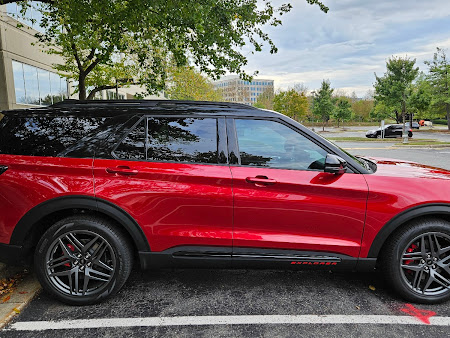
Full Color Change Wraps and Styling

At Capital Wrappers, we offer a wide selection of color change car wraps sourced from the best manufacturers in the world, including Avery Dennison, 3M, Inozetek, PWF, and KPMF. With hundreds of colors and finishes to choose from, your options are as flexible as your imagination. 

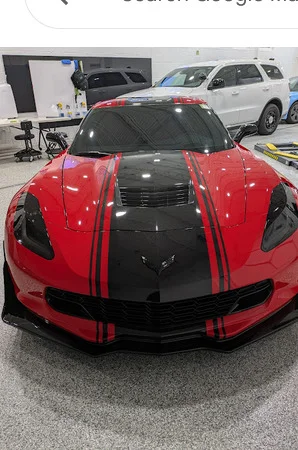
Our team provides full wraps, partial wraps, roof and hood wraps, racing stripes, and chrome delete options, so if you are chasing that blacked-out look or something completely one of a kind, we will bring your vision to life. And when you are ready for a change, the wrap comes off cleanly, leaving your factory paint in exactly the same condition it was when it came in.

Paint Protection Film (PPF / Clear Bra)

I have been a premium installer of paint protection film since the day I opened Capital Wrappers in 2015, and it shows in every installation our team completes. Our PPF, also known as a clear bra or clear mask, acts as a nearly invisible barrier between your car's paint and the road hazards that threaten it every single day: rocks, bugs, salt, road debris, and minor impacts. 

Our clear bra features a self-healing top coat, meaning light scratches and swirl marks actually disappear on their own. Our PPF comes with a fully transferable 12-year manufacturer warranty, and it is offered in three packages, Partial Front End, Full Front End, and Full Vehicle Protection, so you can choose the level of coverage that fits your needs and budget perfectly.

Ceramic Coating

Ceramic coating is one of the most advanced paint protection technologies available today, and we apply it with the care and expertise it demands. Our ceramic coating is a liquid polymer that chemically bonds with your car's factory paint, creating a hard, glass-like shield that is glossy, slick, and self-cleaning. 

Using nano technology, the ceramic nanoparticles fill the smallest pores in the paint, dramatically lowering surface tension so that water, dirt, bird droppings, bugs, tar, UV rays, salt, and other environmental contaminants simply cannot bond to the surface. The result is a vehicle that looks like it has been dipped in glass, and a finish that continues to shine brilliantly for many years to come.


Window Tinting

At Capital Wrappers, we use SunTek window tint products and a technology-based, 100% precision-cut system to deliver flawless window tinting installations every time. Our skilled technicians use CORE film-cutting software to ensure a perfect, custom fit across every inch of glass, from the windshield to the tail lights. 

Our window tinting blocks 99% of harmful UV rays, keeps your car cooler inside, reduces glare on the road, protects your interior from fading, and adds a meaningful layer of privacy. All tinting is done in full compliance with Maryland regulations, and every job comes with a warranty and the peace of mind that comes from working with licensed and insured professionals.

Commercial Vehicle Wraps and Vehicle Branding

For businesses that want their vehicles to work as hard as they do, We offer a full suite of commercial wrapping and vehicle branding solutions. Every vehicle wrap is a cost-effective and highly influential advertising tool, and we can replicate custom designs across any number of vehicles in your fleet.

Our premium commercial wrap options include full vehicle wraps, half vehicle wraps, partial wraps, vinyl graphics, vehicle lettering, and promotional vehicle lettering. You may need a single-vehicle logo installation or a completely branded fleet, either way, our experienced team transforms your vision into a striking, recognizable presence on the road. When it is time to refresh your branding, we remove the old wraps cleanly, leaving the original paintwork intact with no repainting costs.

Premium Brands. Proven Results.

At Capital Wrappers, we do not cut corners when it comes to materials. We work exclusively with the most trusted names in the industry, 3M, Avery Dennison, Inozetek, PWF, and KPMF,  brands recognized globally for their durability, color accuracy, and long-term performance. Pairing premium materials with certified installation techniques means every project that leaves our shop is built to last and built to impress.

Serving the Greater DMV Area

Capital Wrappers is based in Rockville, MD and we proudly serve customers from across Maryland, Washington D.C., and Northern Virginia, including:

  • Rockville, MD

  • Gaithersburg, MD

  • Bethesda, MD

  • North Bethesda, MD

  • Potomac, MD

  • Silver Spring, MD

  • Germantown, MD

  • Frederick, MD

  • Washington, D.C.

  • Arlington, VA

  • Alexandria, VA

  • Fairfax, VA

  • McLean, VA

  • Great Falls, VA

  • Sterling, VA

Get Your Free Estimate Today

Your vehicle is an investment, in style, in value, and in how you show up every single day. At Capital Wrappers, we are ready to help you protect that investment and take it to the next level. 

You may have a clear vision already or you may not know exactly where to start, either way, we will walk you through your options honestly and help you find the right solution for your car and your budget. Getting started is simple, reach out today for a price quote with no obligations and no surprises.

Business Details

Business Name: Capital Wrappers
Owner: Yurii Mazurok
Founded: 2015
Phone: (301) 417-5977
Website: www.capitalwrappers.com
Address: 309 Howard Ave, Suite C, Rockville, MD 20850
Email: info@capitalwrappers.com
Business Hours: Mon–Fri 9:00 AM–5:00 PM | Sat–Sun Closed
GMB Link: https://maps.app.goo.gl/6YvFsZuPiThz8caV7 

Follow us on Social Media: 

Facebook
Instagram
Tumblr
Youtube
LinkedIn
Medium


Monday, March 16, 2026

What Happens to Your Vehicle Interior Without Proper Window Tinting in North Potomac MD

Most drivers in North Potomac think about window tinting in terms of privacy or aesthetics. What they rarely consider is what is quietly happening to their vehicle interior every single day without it. The sun along Quince Orchard Road does not just make your cabin uncomfortable. It is actively breaking down your dashboard, fading your seats, degrading your upholstery, and chipping away at your vehicle’s resale value one drive at a time. Capital Wrappers has worked with car owners throughout North Potomac MD who came in for window tinting only after noticing the damage that had already built up over months and years of unprotected sun exposure. This article explains exactly what that damage looks like, how it happens, and why preventing it matters far more than most drivers realize.

Why Your Car Interior Is More Vulnerable Than You Think in North Potomac MD

North Potomac sits in a climate that delivers real sun intensity across a long portion of the year. Summers along the Travilah Road corridor bring sustained heat and high UV index days that rival states much further south. Even during spring and fall, the sun angle through your windows can be surprisingly direct and damaging. Standard automotive glass blocks a portion of UV-B radiation, but it allows a significant amount of UV-A radiation and virtually all infrared radiation to pass through unimpeded.

That combination of UV-A penetration and infrared heat gain is the core reason why vehicle interiors deteriorate without proper window tinting in North Potomac MD. The damage is not dramatic or sudden. It builds gradually, day by day, drive by drive, until one afternoon you look at your dashboard and realize it has developed a network of cracks you cannot explain. Or you sit down and notice your leather seats have stiffened and faded in a way that feels years ahead of the vehicle’s actual age.

The Real Impact of UV Radiation on Your Vehicle Interior

Ultraviolet radiation is the single most destructive force acting on your car interior when your windows are untreated. UV rays are essentially high-energy light that breaks down chemical bonds in materials on a molecular level. Every material in your interior, from the polymer compounds in your dashboard trim to the dyes in your fabric seats, is vulnerable to this process.

How UV Rays Destroy Dashboard and Trim Surfaces Over Time

Your dashboard is made primarily from plastics and polymers that contain UV-stabilizing compounds designed to slow degradation. The problem is that those stabilizers are not indefinite. With repeated, unprotected UV exposure on daily routes near the Nancy H. Dacek North Potomac Community Recreation Center or along Great Seneca Highway, those stabilizers exhaust themselves over time. Once that happens, the plastic begins to oxidize, losing its flexibility and developing surface cracks that start small and gradually deepen.

Beyond cracking, oxidized dashboards develop a chalky, faded appearance that reflects light back into the driver’s eyes, creating a secondary glare source inside the cabin. This makes the driving environment visually noisier and more fatiguing, especially on sunny days when the problem compounds with external glare from the road surface.

What UV Exposure Does to Your Seats and Upholstery

Leather seats respond to UV exposure by drying out. The natural oils and conditioning agents that keep leather supple break down under sustained UV radiation, leaving the material brittle and prone to cracking along high-stress areas like seat bolsters and headrests. Once leather begins cracking from UV damage, the deterioration accelerates because moisture can now penetrate the surface.

Fabric upholstery faces a different but equally damaging process. UV rays break down the dye molecules in fabric, causing the colors to fade unevenly. Areas of the seat that receive the most direct sun exposure, typically the center of the cushion and the top of the backrest, fade faster than surrounding areas, creating a patchy, aged appearance that is difficult to reverse without full reupholstering. Auto window tinting in North Potomac MD creates a consistent protective barrier across all interior surfaces simultaneously.

Heat Buildup and What It Does to Your Car Without Window Tinting

UV radiation and heat are closely related problems but they operate differently on your interior. Where UV breaks down materials chemically, heat causes physical expansion and contraction cycles that stress materials mechanically. Every time your interior heats up and cools down, every component is expanding and contracting at slightly different rates depending on its material composition.

How Solar Heat Accelerates Interior Material Breakdown

Over time, those repeated thermal cycles cause delamination in composite materials, warping in plastic components, and adhesive failure in trim pieces and headliner sections. Drivers who park near Quince Orchard Knolls Park or Aberdeen Local Park under open skies during peak summer hours are subjecting their interiors to this cycle repeatedly throughout the season.

Electronic components are also vulnerable. Modern vehicle interiors contain screens, sensors, and control modules mounted in areas that receive significant solar exposure. Sustained heat exposure shortens the lifespan of these components and can cause calibration drift in systems that rely on precise temperature stability.

The Hidden Cost of Skipping Auto Window Tinting in North Potomac MD

When drivers calculate what auto window tinting in North Potomac MD costs, they rarely factor in what skipping it costs. Dashboard replacement or resurfacing, leather reconditioning or seat reupholstering, faded trim replacement, and interior detailing to address heat and UV related deterioration collectively represent an expense that dwarfs the cost of a quality tint installation. Prevention is simply more economical than repair, and the protection that window tinting provides starts working from the moment the film is applied.

Glare Damage and Visual Fatigue Behind the Wheel

Glare is a comfort issue but it is also a safety issue. Unfiltered sunlight entering through untinted windows creates variable lighting conditions inside the cabin that your eyes have to constantly adjust to accommodate. That adjustment process is involuntary, but it is not free. It consumes attention and energy throughout every drive.

How Unfiltered Sunlight Creates a Secondary Glare Problem Inside Your Cabin

As your dashboard and interior surfaces degrade from UV exposure, they develop lighter, more reflective appearances that bounce sunlight back toward the driver. This creates a compounding glare problem where the light entering through the windows is both direct and reflected, coming at the driver from multiple angles simultaneously. Families driving along Darnestown Road toward Travilah Elementary School during school pickup hours in late afternoon understand exactly how disorienting that combination can be.

UV Protection Window Tint in North Potomac MD and Why It Matters for Your Health

The conversation about window tinting and vehicle interiors often focuses exclusively on materials, but the most important thing inside your car is you. UV-A radiation passes through standard automotive glass and accumulates on exposed skin during every drive. Unlike UV-B, which causes immediate visible effects like sunburn, UV-A damage is cumulative and largely invisible until years of exposure manifest as accelerated skin aging or increased skin cancer risk.

Skin Exposure During Daily Drives Adds Up Faster Than You Realize

Research has documented higher rates of UV-related skin damage on the driver’s left side compared to the right, a pattern directly attributable to window-side sun exposure. For North Potomac commuters making daily drives on Route 28 or Shady Grove Road, that exposure adds up to a meaningful cumulative dose over months and years. UV protection window tint in North Potomac MD blocks up to 99% of both UV-A and UV-B radiation at the glass surface, making it one of the most practical health protection investments available for daily drivers. Capital Wrappers regularly discusses this health dimension with clients because it is a benefit that extends well beyond vehicle preservation.

How Window Tinting Preserves Your Vehicle Resale Value in North Potomac MD

Your vehicle’s resale value is directly tied to the condition of its interior. A well-maintained interior signals to buyers that the vehicle has been cared for consistently, while a faded, cracked, or deteriorated interior immediately raises questions about overall maintenance history and value.

What Buyers Notice First When Evaluating a Used Vehicle

Buyers evaluate interior condition before they evaluate mechanical history in most cases. A cracked dashboard, faded seats, or lifted trim pieces are immediately visible and create a negative first impression that is difficult to overcome with paperwork. These are exactly the kinds of deterioration that best car window tinting in North Potomac MD prevents from developing in the first place.

How Ceramic Window Tint Slows the Aging Process of Your Interior

Ceramic window tint in North Potomac MD is the highest-performing film category available for interior preservation. Ceramic films block up to 99% of UV radiation and reject up to 80% or more of infrared heat, addressing both of the primary degradation forces simultaneously. Unlike dyed films that fade over time or metalized films that can interfere with vehicle electronics, ceramic films maintain their performance properties through Maryland’s full range of seasonal conditions without degrading. The investment in ceramic tint pays for itself through the interior preservation it delivers over the life of the vehicle.

What to Look for in a Window Tinting Shop in North Potomac MD

Choosing the right window tinting shop in North Potomac MD matters as much as choosing the right film. A quality installation begins with a thorough glass inspection, uses commercial-grade film products with documented performance ratings, and is backed by a warranty that covers bubbling, peeling, and color change over time. Technicians should take the time to understand how you use your vehicle and recommend a film specification that matches your specific needs rather than defaulting to a one-size-fits-all solution.

Capital Wrappers brings that consultative approach to every installation in the North Potomac area, making sure each client understands the protection they are getting and why the film specification chosen is the right match for their vehicle and daily driving conditions. Maryland’s tint laws also require that front side windows maintain at least 35% visible light transmission, and a knowledgeable shop ensures every installation stays within legal limits while still delivering maximum protection.

Conclusion

Your vehicle interior is under constant attack from the moment you drive into daylight without proper window tinting. UV radiation breaks down materials chemically, heat stresses them mechanically, and the combination accelerates aging in ways that compound over time until the damage becomes impossible to ignore. For drivers in North Potomac MD, the roads near Aberdeen Local Park, the afternoon routes along Darnestown Road, and the daily commutes through the Travilah corridor all deliver sustained solar exposure that makes window tinting a practical necessity rather than an optional upgrade. Ceramic window tint addresses all of these threats simultaneously, protecting your health, your interior surfaces, and your vehicle’s long-term value in a single installation. Capital Wrappers helps North Potomac drivers make that protection decision with confidence, backed by the right film, the right expertise, and an installation that holds up through every Maryland season.

If you want to protect your car’s resale value and keep its exterior looking brand new, explore our detailed guide on auto protection in Bethesda, MD to learn the best solutions for long-term vehicle preservation


FAQs

How quickly does UV damage start affecting a vehicle interior without window tinting in North Potomac MD?

UV degradation begins immediately with every sun exposure, but visible effects typically become noticeable within one to three years depending on how much time the vehicle spends in direct sunlight. Vehicles parked outdoors in North Potomac’s open lots during summer months accumulate damage faster than those kept in covered parking.

Does ceramic window tint in North Potomac MD work differently in summer versus winter?

Ceramic films perform consistently across all seasons. In summer they reject infrared heat and UV radiation. In winter they help retain interior heat by reducing thermal transfer through the glass, which improves heating efficiency. Maryland’s four-season climate makes ceramic film a year-round performance investment rather than a seasonal one.

Can window tinting reverse UV damage that has already happened to my interior?

Window tinting prevents further UV and heat damage from occurring after installation, but it does not reverse damage that has already taken place. Cracked dashboards and faded upholstery require separate restoration work. Installing quality window tinting after restoration protects the repaired surfaces from deteriorating again.

Will auto window tinting in North Potomac MD affect my visibility during night driving?

Professionally installed window tinting within Maryland’s legal visible light transmission limits does not meaningfully impair night driving visibility. Films installed at or above the 35% VLT threshold required for front side windows maintain clear visibility in low-light conditions while still delivering heat and UV protection during daylight hours.

How do I know which window tint film is right for my specific vehicle in North Potomac MD?

 The right film depends on your vehicle type, how much time it spends in direct sunlight, your priorities between heat rejection, UV protection, and privacy, and Maryland’s legal tint requirements for your specific vehicle classification. A consultation with a knowledgeable window tinting shop in North Potomac MD will match you with a film specification that addresses your specific situation rather than a generic recommendation.

The post What Happens to Your Vehicle Interior Without Proper Window Tinting in North Potomac MD appeared first on Capital Wrappers.


from Capital Wrappers https://ift.tt/2JWNwov
via IFTTT

Friday, February 27, 2026

How Auto Protection Services in Bethesda, MD Help Preserve Your Vehicle’s Resale Value

Auto Protection in Bethesda, MD

Buying a car is one of the biggest financial commitments most people make, sitting right behind purchasing a home. Yet a surprising number of vehicle owners put almost no thought into protecting that investment until the damage is already done. Paint fades, clearcoat peels, interiors crack, and by the time someone thinks about selling or trading in, the vehicle has lost far more value than it ever needed to. That gap between what your car could be worth and what it actually fetches at resale is largely a maintenance and protection story.

Capital Wrappers has been helping Bethesda area vehicle owners understand this connection for years. Whether you are driving through the leafy streets of Kenwood, commuting out of Bannockburn, or parking daily in Westgate, your vehicle is constantly exposed to elements that chip away at its appearance and structural integrity. Auto protection in Bethesda, MD is not just about keeping your car looking sharp today. It is a deliberate, informed strategy for preserving the financial return you will eventually want when it is time to move on to your next vehicle.

Why Resale Value Matters More Than Most Car Owners Realize

Most people think about resale value in the abstract. They know a newer car is worth more than an older one, and they vaguely understand that condition plays a role. But very few car owners actually connect their daily habits and protection decisions to the specific dollar figure they will receive years down the line. The reality is that resale value is not just a product of age and mileage. It is heavily shaped by how a vehicle has been maintained and protected throughout its life.

A vehicle that has been garaged, professionally protected, and carefully maintained can command significantly more at resale than an identical model with the same mileage that has been left unprotected. The difference in offers between these two scenarios is often in the thousands of dollars, not hundreds. That is money that either stays in your pocket or disappears simply based on decisions made years earlier.

The Connection Between Vehicle Appearance and Market Value

There is a direct and measurable relationship between how a vehicle looks and what it is worth on the open market. Automotive valuation tools like Carfax, Kelley Blue Book, and dealer appraisals all factor condition ratings heavily into their assessments. A vehicle rated in excellent condition receives a notably higher valuation than the same vehicle rated in good or fair condition, even when the mechanical components are identical.

Paint condition is the single most visible indicator of how well a car has been cared for. A glossy, swirl-free paint surface with no fading or oxidation signals to any buyer that this vehicle has been looked after. Conversely, dull, chalky, or peeling paint immediately raises questions about what else might have been neglected. First impressions in the used car market are extraordinarily powerful, and paint tells the story before a buyer ever opens the door.

How Buyers and Dealers Evaluate a Used Vehicle’s Condition

When a potential buyer or dealer inspects a used vehicle, they are working through a mental checklist. Paint condition comes first because it is immediately visible and sets the overall tone of the inspection. They look for uniformity of color across all panels, gloss and depth in the finish, absence of swirl marks or scratches, and signs of clearcoat integrity. Any visible paint damage is immediately used as a negotiating tool to push the asking price down.

Dealers are particularly skilled at this evaluation. They know exactly what a paint correction or panel repaint costs, and they factor those numbers into their offer with a margin on top. A vehicle with compromised paint protection typically receives an offer that reflects not just the repair cost but the dealer’s profit expectation on top of it, meaning the seller absorbs a disproportionate loss relative to the actual cost of the damage.

What Auto Protection Actually Does for Your Vehicle

Understanding what auto protection actually accomplishes, mechanically and chemically, helps frame why it matters so much for resale value. Protection is not simply cosmetic. It is a functional system of barriers that prevents the environmental and physical forces that cause deterioration from ever reaching your vehicle’s vulnerable surfaces.

Creating a Physical Barrier Against Daily Damage

Every day your car is on the road or parked outside, it is being subjected to an array of damaging forces. UV radiation from sunlight breaks down paint polymers. Road debris causes micro-abrasions and chips. Bird droppings and tree sap contain acids and compounds that etch into clearcoat if left untreated. Brake dust, industrial fallout, and airborne pollutants settle onto painted surfaces and begin chemical reactions that degrade the finish over time.

Auto protection products, whether paint protection film, ceramic coatings, or professional-grade sealants, create a dedicated sacrificial or semi-permanent layer between these forces and your paint. Instead of the environmental assault reaching your clearcoat and color coat directly, it meets a protective layer engineered specifically to absorb, repel, or neutralize the damage. Your paint underneath stays in its original condition far longer than it ever would without that barrier.

How Protection Slows the Natural Aging Process of Your Paint

Paint ages the same way many materials do: through repeated exposure to stress. Heat cycles cause paint to expand and contract daily, weakening its molecular structure over time. Oxidation gradually breaks down the chemical compounds that give paint its color and gloss. Moisture works its way into micro-imperfections and contributes to corrosion beneath the surface.

How Protection Slows the Natural Aging Process of Your Paint

Professional protection products address each of these aging mechanisms directly. Ceramic coatings significantly reduce heat absorption in paint surfaces, minimizing the thermal stress that contributes to expansion and contraction damage. UV inhibitors in both paint protection film and quality ceramic coatings neutralize the photo-oxidation process that causes fading and chalking. Hydrophobic properties in ceramic-coated surfaces prevent moisture from sitting on the paint and working into microscopic surface imperfections.

Bethesda, MD Climate and Its Impact on Unprotected Vehicles

Bethesda sits in one of the more climatically demanding regions for vehicle owners in the mid-Atlantic. The area experiences genuine four-season weather, with hot and humid summers that subject vehicles to intense UV and heat, and winters that bring road salt, freeze-thaw cycles, and moisture-related damage. This combination makes car protection in Bethesda, MD not a luxury consideration but a genuinely practical one for anyone who wants to preserve their vehicle’s condition and value.

How Humid Summers Accelerate Paint Deterioration

Maryland summers are characterized by high humidity and intense sun, a combination that is particularly hard on automotive paint. Heat amplifies the UV damage process, accelerating photo-oxidation and thermal stress simultaneously. Humidity means moisture is constantly present in the air, and that moisture interacts with surface contaminants to create acidic compounds that attack clearcoat and promote oxidation.

Vehicles parked in neighborhoods like Westmoreland Hills or Woodacres, where mature trees provide some shade but also introduce pollen and tree sap throughout spring and summer, face a particularly complex environmental challenge. Sap that lands on unprotected paint and sits through a hot, humid afternoon can etch permanently into the clearcoat within hours, creating damage that requires professional paint correction to address.

Road Salt and Winter Damage in the Bethesda Area

Winter in Bethesda brings road salt application across Montgomery County roads, and road salt is genuinely one of the most corrosive substances a vehicle encounters in regular use. Salt accelerates oxidation of metal surfaces and can work its way into paint chips and clearcoat micro-cracks to initiate rust formation from within. Vehicles that are regularly driven on salted roads without protective coatings on painted surfaces and undercarriage components accumulate corrosion damage that is both invisible in its early stages and very expensive to address once it becomes apparent.

The freeze-thaw cycle that Bethesda experiences through late fall and winter also contributes significantly to paint damage. Water that works into any existing paint imperfection expands when it freezes, widening cracks and creating pathways for further moisture and salt penetration. Over multiple winters, this process can cause significant paint and structural damage on vehicles that have not been properly protected.

Tree Sap, Pollen, and Environmental Fallout in Local Neighborhoods

Bethesda’s beautifully tree-lined residential neighborhoods are genuinely lovely to live in, but they create a challenging environment for vehicle paint. Tree sap from oak, pine, and maple trees is a common seasonal hazard that drops onto parked vehicles throughout spring and summer. Fresh sap is difficult to remove and becomes significantly harder once it cures in the sun, often requiring aggressive cleaning methods that themselves introduce swirl marks and surface abrasion if the paint has no protective coating beneath.

Pollen season in Bethesda is intense, and pollen is mildly acidic. Vehicles covered in pollen that gets wet from rain or dew and then dries repeatedly through a spring afternoon are experiencing a low-grade chemical etching process on any unprotected surfaces. Industrial fallout, which includes microscopic metal particles from brake dust and rail traffic, also settles onto vehicles throughout the area and embeds into soft clearcoat, causing surface contamination that degrades finish quality over time.

Types of Auto Protection That Directly Impact Resale Value

Not all protection products deliver equal resale value benefits. Some offer more durable long-term defense, while others address specific vulnerabilities more effectively. Understanding the distinct role each protection type plays helps vehicle owners in Bethesda make informed decisions about what their vehicle needs.

Paint Protection Film and Long-Term Surface Preservation

Paint Protection Film, commonly referred to as PPF or clear bra, is widely regarded as the most comprehensive physical protection available for automotive paint surfaces. This thermoplastic urethane film is applied directly over painted panels, where it absorbs the physical and chemical damage that would otherwise reach the paint. Rock chips, road debris, UV radiation, bird droppings, and environmental contamination all meet the film before they ever reach the clearcoat.

The resale value implications of PPF are significant. A vehicle whose front end, hood, and high-impact zones have been covered with PPF from early in its life will typically show factory-level paint condition on those areas years later, while an unprotected vehicle of the same age will show visible stone chips, micro-scratches, and UV-related fading on exactly those same surfaces. That difference in condition is immediately visible during a buyer inspection and translates directly into negotiating leverage or its absence.

Premium PPF products also feature self-healing properties, meaning minor surface scratches in the film repair themselves through heat exposure. This keeps the film and the paint beneath looking fresh without requiring repeated professional correction, which in itself represents a meaningful long-term saving for vehicle owners focused on resale preparation.

Ceramic Coating as a Resale Value Investment

Ceramic coating takes a different but equally effective approach to paint protection. Rather than a physical film, ceramic coating is a liquid polymer that chemically bonds to your vehicle’s paint surface and cures into a hard, semi-permanent layer. This layer is hydrophobic, UV-resistant, chemically resistant, and significantly harder than clearcoat alone, creating a surface that repels contaminants and resists the oxidation and chemical etching that degrades unprotected paint.

From a resale standpoint, a ceramic-coated vehicle consistently looks cleaner, glossier, and more well-maintained than an uncoated vehicle of the same age. Because the coating causes water and contaminants to bead and roll off rather than sitting on the surface, the paint underneath accumulates far less environmental damage over time. When a buyer or dealer looks at a ceramic-coated vehicle, they see a paint surface with depth, gloss, and uniformity that signals genuine care, all of which supports a stronger valuation.

Capital Wrappers applies professional-grade ceramic coatings that are engineered specifically for durability in demanding climates like Bethesda’s, where the combination of summer heat, humidity, and winter road salt creates unique challenges that consumer-grade products simply cannot address effectively.

Window Tinting and Interior Preservation

Window Tinting and Interior Preservation

Interior condition is the second most influential factor in used vehicle valuations, and UV damage through glass is one of the primary causes of interior deterioration. Dashboard cracking, seat fading, door panel discoloration, and carpet bleaching are all driven largely by solar radiation entering through unprotected windows. A vehicle with a badly deteriorated interior loses significant value regardless of how good the exterior paint looks.

Professional window tinting blocks up to 99 percent of UV radiation from entering the cabin, preserving dashboard plastics, leather or fabric seats, and all interior trim surfaces in something close to their original condition. The combined effect of exterior paint protection and interior UV management through window tinting creates a vehicle that holds its condition far more comprehensively than one where only one dimension of protection has been addressed.

How Professional Installation Affects the Outcome

The quality of the installation process is as important as the quality of the products themselves. Even the best paint protection film or ceramic coating will underperform if applied incorrectly or over a poorly prepared surface. This is one of the most important reasons why choosing a reputable auto protection shop in Bethesda, MD matters so much for the long-term effectiveness of any protection investment.

Why Paint Preparation Before Application Matters

Professional installers do not simply apply protection products to whatever condition the paint arrives in. Before any film or coating goes onto the surface, a thorough preparation process takes place. This typically begins with a full decontamination wash to remove surface dirt, bonded contaminants, and industrial fallout. A clay bar treatment follows to pull embedded particles from the paint surface. Paint correction, which involves machine polishing to eliminate existing swirl marks, light scratches, and oxidation, is performed before any coating application.

This preparation process matters enormously for resale value outcomes because protection applied over damaged paint locks that damage in place beneath the coating. If oxidation or swirl marks are present under a ceramic coating, they will remain visible through the coating for its entire lifespan. Proper preparation ensures that the paint surface beneath the protection is in the best possible condition before it is sealed in, maximizing both the visual result and the long-term value impact.

The Difference Between Professional and DIY Protection

The Difference Between Professional and DIY Protection

Consumer-grade protection products are widely available, and many car owners attempt self-application to save on costs. The results, however, rarely approach what professional installation delivers in terms of durability, finish quality, or resale value impact. Professional-grade ceramic coatings contain higher concentrations of active compounds than retail products, bond more effectively to properly prepared surfaces, and carry substantially longer performance warranties.

Paint protection film installation requires precision cutting, surface preparation expertise, and application technique that takes significant professional training to master. Bubbles, lifting edges, contamination beneath the film, and poor seam placement are common in DIY attempts and actually draw negative attention to the vehicle during buyer inspections rather than adding to its appeal. When the goal is preserving resale value, professional installation is not an optional upgrade. It is the foundation the entire investment rests on.

Real-World Resale Scenarios With and Without Auto Protection

Putting this information into a real-world context makes the value argument much more concrete. Consider two identical vehicles, both three years old, both with similar mileage, and both from the same original trim level. The first vehicle has been professionally protected from early in its life with PPF on high-impact areas and a full ceramic coating, along with window tinting on all glass. The second vehicle has received nothing beyond basic washing.

What Buyers Actually See When Inspecting a Used Vehicle

The first vehicle shows factory-level paint gloss with no rock chips on the hood or bumper, no swirl marks from washing, no oxidation on horizontal surfaces, and a clean, vibrant interior with no UV-related fading or cracking on the dashboard. The second vehicle shows a front end peppered with stone chips, visible swirl marks under direct light, mild oxidation beginning on the hood and roof, and a dashboard that has started to lighten and crack along the most sun-exposed sections.

To a buyer standing in front of both vehicles, the first one communicates care, longevity, and confidence. The second one raises questions. Even if both vehicles are mechanically identical, the buyer will offer less for the second vehicle, negotiate harder, or simply walk away in favor of the better-presented option. This is the direct, tangible return on a protection investment made years earlier, and it illustrates precisely why auto protection in Bethesda, MD is as much a financial strategy as it is a maintenance decision.

Choosing a Reliable Auto Protection Shop in Bethesda, MD

Selecting the right provider for auto protection services is a decision that deserves genuine research rather than a quick online search and a price comparison. The quality gap between shops in this industry is significant, and the long-term results vary accordingly. There are several meaningful factors to evaluate when choosing where to take your vehicle.

Look for shops that use verified professional-grade products from recognized manufacturers and can speak knowledgeably about the specific properties and warranty terms of what they install. Ask about their surface preparation process, because any shop that glosses over preparation or does not perform paint correction before coating application is cutting corners that will compromise your results. Review their portfolio of completed work, paying attention to finish quality, seam placement on film installations, and consistency across different vehicle types.

Capital Wrappers brings a standard of technical precision and product quality to auto protection in Bethesda, MD that reflects a genuine understanding of what local vehicle owners need from a protection investment. The combination of climate-appropriate product selection, thorough preparation processes, and installation expertise makes a meaningful difference in the longevity and effectiveness of the protection applied, and by extension, in the resale value outcomes that protection supports.

Bethesda is a community where attention to quality runs deep, from the carefully maintained homes in Westmoreland Hills and Woodacres to the manicured streets of Kenwood and Westgate and the quiet residential character of Bannockburn. That same attention to quality deserves to extend to how residents protect and maintain one of their most significant financial assets.

Conclusion

Vehicle resale value is not simply a function of age and mileage. It is the direct result of how a car has been treated, protected, and maintained throughout its life. In a climate like Bethesda’s, where summer heat, humidity, road salt, tree sap, and pollen create a year-round gauntlet of paint-damaging conditions, unprotected vehicles accumulate visible deterioration that costs real money at trade-in time. Paint protection film, ceramic coatings, and professional window tinting each address specific dimensions of this challenge, and together they create a vehicle that holds its appearance, its condition, and its market value far more effectively than one left without protection. Working with an experienced provider like Capital Wrappers for car protection in Bethesda, MD means making a well-informed decision today that pays a measurable financial return when it matters most.

Car wrap Westmore MD services offer a variety of finishes—including gloss, matte, satin, chrome, and carbon fiber—so you can choose the perfect look based on your vehicle type and personal style.

Frequently Asked Questions (FAQs)

How much can auto protection actually improve my vehicle’s resale value in Bethesda, MD?

The improvement varies depending on the vehicle, its age, and the type of protection applied, but professionally protected vehicles consistently receive higher condition ratings during appraisals. Vehicles with PPF and ceramic coating that show factory-level paint condition can command several thousand dollars more than comparable unprotected vehicles with visible paint deterioration. The return on a protection investment is generally strongest on higher-value vehicles and in markets where buyers are discerning about condition, which describes Bethesda well.

Does auto protection work on older vehicles, or is it only beneficial for new cars?

Protection is most effective when applied to a vehicle in good paint condition, which is easier to achieve on newer vehicles. However, older vehicles can absolutely benefit from protection after professional paint correction has restored the surface to the best achievable condition. Protecting a corrected paint surface on an older vehicle prevents further deterioration and helps maintain the value of the correction investment over time.

How long does paint protection film last on a vehicle in Bethesda’s climate?

Premium paint protection film products installed professionally typically carry warranties of five to ten years, and many perform effectively well beyond that timeframe in real-world conditions. Bethesda’s climate, with its combination of summer UV intensity and winter road salt exposure, does subject PPF to meaningful stress, which is why product quality and professional installation matter so much for achieving full service life from the film.

Will ceramic coating protect my car from road salt damage in winter?

Ceramic coating creates a hydrophobic, chemically resistant barrier that significantly reduces the ability of road salt to bond to painted surfaces and initiate the oxidation process. While no coating provides absolute protection from all salt-related damage, a properly applied ceramic coating means that salt and the moisture it attracts bead and roll off the surface more readily rather than sitting in contact with the paint. Combining ceramic coating with regular winter washing to remove salt accumulation provides the most comprehensive protection against this specific seasonal threat.

Is window tinting considered part of a complete auto protection plan for resale value purposes?

Absolutely. Interior condition accounts for a substantial portion of a used vehicle’s overall condition rating, and UV-related interior damage is one of the most common reasons vehicles receive downgraded appraisals. Professional window tinting that blocks UV radiation preserves dashboard surfaces, seating materials, door panels, and all interior trim in far better condition than they would achieve without it. When combined with exterior paint protection, window tinting contributes meaningfully to the overall condition story a vehicle tells at resale time.

The post How Auto Protection Services in Bethesda, MD Help Preserve Your Vehicle’s Resale Value appeared first on Capital Wrappers.


from Capital Wrappers https://ift.tt/u5ktKgF
via IFTTT

Friday, February 13, 2026

Which Car Wrap Finish Works Best for Different Vehicle Types in Westmore MD

car wrap

Westmore, MD presents a diverse automotive landscape where everything from compact commuter cars navigating Westmore Ave & Hungerford Dr (MD-355) to luxury SUVs parked at Rockville Town Center share the roads. Choosing the right wrap finish for your specific vehicle type goes far beyond personal preference. It involves understanding how different finishes complement various vehicle shapes, sizes, and purposes. Capital Wrappers has wrapped countless vehicles throughout the area, and the relationship between vehicle type and wrap finish plays a crucial role in achieving the perfect result. Whether you’re considering car wrapping in Westmore MD for aesthetic transformation or practical protection, understanding which finishes work best for different vehicle categories helps you make an informed decision that you’ll love for years to come.

Understanding Car Wrap Finishes and Their Characteristics

Before diving into specific vehicle types, let’s establish what we mean by wrap finishes. The finish refers to the surface texture and appearance of the vinyl material, not the color itself. Think of it like choosing between glossy or matte photo paper. The same image looks completely different depending on the paper’s finish.

Common wrap finishes include gloss (shiny and reflective like factory paint), matte (flat with no shine), satin (subtle sheen between matte and gloss), chrome (mirror-like reflection), metallic (sparkle effect), carbon fiber (textured weave pattern), and color-shift (changes color at different angles). Each finish interacts differently with light, emphasizes different vehicle contours, and creates distinct visual impressions. The key is matching these characteristics to your vehicle’s natural strengths.

Best Wrap Finishes for Sedans and Compact Cars

Sedans and compact cars make up a significant portion of vehicles on Westmore roads. These vehicles typically feature smooth, flowing lines and prioritize aerodynamics over aggressive styling.

Why Gloss Finishes Complement Sedans

Gloss finishes remain the most popular choice for sedans, and for good reason. They mimic traditional automotive paint, creating that showroom-fresh appearance that never goes out of style. The reflective quality of gloss finishes accentuates the gentle curves typical of sedan design, making the vehicle appear longer and sleeker.

A gloss wrap on a sedan catches light beautifully as you drive past Welsh Park on a sunny afternoon. The finish highlights body lines without overpowering them, maintaining the elegant, refined aesthetic that sedan owners typically appreciate. Gloss finishes also tend to be easier to maintain than some alternatives, requiring standard car care practices that most sedan owners already follow.

Satin Finishes for Elegant Daily Drivers

Satin finishes offer sedan owners something special without going too bold. This finish provides a sophisticated middle ground that says “I care about my vehicle’s appearance” without screaming for attention. Satin wraps give sedans a modern, upscale look that works particularly well on newer models with contemporary design language.

The subtle sheen of satin catches light differently than gloss, creating depth and dimension that can make a standard sedan look premium. For professionals who want their daily driver to stand out slightly during their commute along Westmore Ave & Crabb Ave without looking flashy, satin delivers perfectly.

Optimal Wrap Finishes for SUVs and Crossovers

SUVs and crossovers dominate American roads, and Westmore is no exception. These larger vehicles with their boxy proportions and commanding presence allow for bolder finish choices than smaller vehicles.

Matte Finishes for Bold SUV Styling

Matte finishes and SUVs are a match made in automotive heaven. The flat, non-reflective surface of matte wraps complements the angular, muscular lines of most SUVs. Where gloss finishes might make a large SUV look somewhat bulky, matte finishes create a sleek, almost stealthy appearance despite the vehicle’s size.

Matte black SUVs have become particularly popular, creating an intimidating, purposeful look. However, matte finishes work beautifully in any color on SUVs. Matte grey, matte navy, or even matte olive green can transform an ordinary crossover into something that looks custom-built. The finish downplays the vehicle’s mass while emphasizing its presence, a subtle but important distinction.

Textured Wraps for Adventure-Ready Vehicles

SUV owners who use their vehicles for actual utility rather than just commuting might consider textured finishes like brushed metal or even specialty off-road themed wraps. These finishes align with the vehicle’s purpose, suggesting capability and ruggedness. Carbon fiber accents on hoods, roof panels, or mirrors add a performance-oriented touch that works especially well on sportier crossovers.

Wrap Finish Selections for Luxury Vehicles

Luxury vehicles demand finishes that match their premium positioning. These vehicles already make statements, and the wrap finish should enhance rather than contradict that message.

Chrome and Metallic Finishes for Premium Cars

Chrome and metallic finishes naturally gravitate toward luxury vehicles. A chrome wrap on a luxury sedan or coupe creates an undeniably exclusive appearance. These finishes reflect everything around them, creating a dynamic, eye-catching effect that luxury car owners often seek.

Metallic finishes offer a more subtle approach to premium styling. Unlike chrome’s mirror finish, metallic wraps incorporate fine sparkle particles that catch light beautifully without the overwhelming reflection of chrome. This works exceptionally well on luxury coupes and performance-oriented luxury sedans, adding depth and richness to the appearance.

Color-Shift Wraps for Exclusive Appeal

Color-shift wraps represent the ultimate in exclusive finishes. These sophisticated materials change color depending on viewing angle and lighting conditions, creating a mesmerizing effect that’s genuinely unique. Capital Wrappers has installed color-shift wraps on various luxury vehicles, and the result never fails to impress.

These finishes work best on vehicles with smooth, flowing surfaces where the color transition can be appreciated. Luxury sports cars and high-end sedans showcase color-shift finishes beautifully. The finish emphasizes every curve and contour, creating an almost liquid appearance as the vehicle moves.

Performance and Sports Car Wrap Considerations

Sports cars and performance vehicles call for finishes that emphasize their aggressive, athletic nature.

Carbon Fiber Accents and Racing Aesthetics

Carbon fiber finishes are practically synonymous with performance vehicles. While full carbon fiber wraps exist, most sports car owners prefer strategic carbon fiber accents. Hood wraps, roof panels, mirror caps, and rear diffuser sections in carbon fiber create that race-inspired look without overwhelming the vehicle’s design.

The textured weave pattern of carbon fiber wraps adds visual interest and suggests lightweight performance, even though the wrap itself doesn’t reduce vehicle weight. For track-focused cars that occasionally venture onto public roads around Highland Ave & Crabb Ave, carbon fiber elements communicate the vehicle’s purpose instantly.

High-Gloss Finishes for Speed-Focused Design

Surprisingly, high-gloss finishes work brilliantly on many sports cars. The deep, wet-look shine emphasizes the aggressive body sculpting that defines modern performance vehicles. Gloss finishes in bold colors like racing red, electric blue, or vibrant orange amplify the sports car’s visual impact.

The key with gloss on sports cars is choosing colors that complement the vehicle’s aggressive stance and aerodynamic elements. Gloss black can look stunning but might hide some of the intricate bodywork. Brighter gloss colors showcase every vent, scoop, and spoiler, celebrating the car’s performance-oriented design.

Commercial and Fleet Vehicle Wrap Choices

Commercial vehicles serve entirely different purposes than personal cars, and finish selection should reflect business needs.

Durable Finishes for Work Vehicles

Commercial vehicles prioritize durability and longevity over aesthetic experimentation. Gloss and satin finishes typically work best for fleet vehicles because they withstand cleaning, weather exposure, and general wear better than more specialized finishes like matte or chrome.

For work trucks, vans, and service vehicles, calendared vinyl in gloss finish offers excellent value and performance. These vehicles get wrapped primarily for branding purposes, and the finish needs to maintain its appearance despite constant use and exposure to job site conditions.

Visibility and Branding Considerations

Commercial vehicle wraps in Westmore MD focus heavily on visibility and brand recognition. Gloss finishes generally photograph better and maintain color vibrancy longer, important factors when your vehicle serves as a mobile advertisement. The reflective quality of gloss wraps also increases visibility in various lighting conditions, a practical safety consideration for work vehicles.

Satin finishes can work well for premium service businesses like real estate, financial services, or upscale contractors who want their vehicles to project professionalism without the aggressive shine of full gloss.

Trucks and Heavy-Duty Vehicle Wrap Options

Pickup trucks occupy a unique category, serving as both work vehicles and personal transportation for many owners. Finish selection depends largely on how the truck is used.

Full-size trucks handle bold finishes well due to their substantial size and presence. Matte finishes create that tough, no-nonsense appearance many truck owners prefer. Matte black or matte military green on a lifted truck projects ruggedness and capability.

For trucks used primarily as daily drivers rather than work vehicles, satin finishes offer sophistication while maintaining the truck’s masculine aesthetic. Color-shift wraps have also gained popularity on show trucks, creating stunning effects across the large, flat surface of truck beds and tailgates.

Textured finishes like brushed metal or specialty camouflage patterns work exclusively on trucks and off-road vehicles. These finishes align with outdoor, adventurous lifestyles and look at home on vehicles equipped for hunting, fishing, or overlanding.

Matching Wrap Finishes to Vehicle Usage and Lifestyle

Beyond vehicle type, consider how you use your vehicle. Daily drivers benefit from finishes that require minimal special care. Gloss and satin finishes are most practical for vehicles that see regular use and frequent washing.

Show cars and weekend vehicles can embrace more demanding finishes like matte or chrome that require specific care techniques. If your car spends most of its time garaged and only emerges for special occasions, you can maintain even the most high-maintenance finishes successfully.

Climate matters too. Westmore experiences hot summers and cold winters. Certain finishes, particularly darker matte colors, show temperature-related expansion and contraction more readily than others. Capital Wrappers considers these local climate factors when recommending finishes for car wrapping shop in Westmore MD, ensuring your wrap choice will perform well year-round.

Conclusion

Selecting the right wrap finish for your vehicle type in Westmore MD involves balancing aesthetic preferences with practical considerations. Sedans shine in gloss and satin finishes that emphasize their elegant lines. SUVs can pull off bold matte finishes that would overwhelm smaller vehicles. Luxury cars deserve premium finishes like chrome, metallic, or color-shift that match their exclusive nature. Sports cars benefit from performance-oriented choices like carbon fiber accents or high-gloss racing colors. Commercial vehicles prioritize durability and visibility through proven gloss and satin finishes. Understanding how different finishes interact with your specific vehicle type, usage patterns, and lifestyle helps you make a choice you’ll love every time you see your wrapped vehicle. The perfect finish is out there for your vehicle, waiting to transform it into exactly what you envision.

FAQs

Can I mix different wrap finishes on the same vehicle? 

Absolutely! Mixing finishes creates custom looks and is quite popular. Common combinations include gloss body with matte hood, satin base with carbon fiber accents, or chrome trim with matte panels. The key is choosing combinations that complement rather than clash with each other and your vehicle’s design.

Do certain wrap finishes fade faster than others? 

All wrap finishes eventually fade with sun exposure, but the visibility differs by finish. Gloss finishes tend to show fading less obviously than matte finishes. Darker colors fade more noticeably than lighter ones regardless of finish. Chrome and metallic finishes can lose their reflective quality over time with heavy UV exposure.

Are matte finishes harder to maintain than gloss? 

Yes, matte finishes require more careful maintenance. You cannot use traditional car wax on matte wraps as it creates unwanted shine. Matte finishes also show fingerprints, water spots, and swirl marks more readily than gloss. However, with proper matte-specific cleaning products and techniques, maintenance is manageable.

Will a wrap finish affect my vehicle’s resale value? 

Quality wraps typically protect the original paint, potentially increasing resale value. However, unusual finishes like chrome or extreme color-shift might limit your buyer pool. Conservative finishes in popular colors generally appeal to more potential buyers if you plan to sell the vehicle while wrapped.

How do I know which finish will look best on my specific vehicle model? 

Research similar vehicles with different wrap finishes online, visit wrap galleries, or consult with experienced installers who can show you examples and digital mockups. Seeing your specific vehicle model in various finishes helps you visualize the final result before committing to a particular finish choice.

The post Which Car Wrap Finish Works Best for Different Vehicle Types in Westmore MD appeared first on Capital Wrappers.


from Capital Wrappers https://ift.tt/yjeu5NI
via IFTTT

Friday, January 30, 2026

How Weather Conditions in Rockville Town Square, MD Affect Car Wrap Longevity

Car Wra

Rockville Town Square sits in the heart of Maryland, where the Mid-Atlantic climate throws everything at your vehicle throughout the year. From blazing summer afternoons when you’re parked near the Rockville Science Center Storefront to freezing winter mornings, your car wrap faces constant environmental challenges. Understanding how weather conditions affect car wraps in Rockville Town Square, MD helps you make informed decisions about protecting your investment and maximizing its lifespan. Professionals like Capital Wrappers know these local climate challenges well and understand exactly what Mother Nature has in store for your wrapped vehicle and how you can fight back.

Understanding Rockville Town Square’s Climate Patterns

Rockville experiences a humid subtropical climate with four distinct seasons, each presenting unique challenges for vehicle wraps. Summers bring hot, humid conditions with temperatures regularly climbing into the upper 80s and 90s. Winters can be harsh, with temperatures dropping below freezing and occasional snowstorms blanketing the area. Spring and fall serve as transition periods, but they come with their own concerns like heavy rainfall and dramatic temperature swings.

What makes Rockville Town Square particularly interesting from a car wrap perspective is its urban environment. The concentration of buildings, parking structures, and paved surfaces creates microclimates that can intensify heat during summer months. This urban heat island effect means your parked car might experience temperatures several degrees higher than surrounding rural areas. Understanding these patterns helps you anticipate potential wrap damage before it occurs.

How Summer Heat Impacts Car Wraps

Summer in Rockville Town Square tests the limits of wrap materials. Think about those scorching July afternoons when even walking from the Rockville Memorial Library to your car feels like a marathon. Your vehicle’s surface temperature can reach 150-180 degrees Fahrenheit, and your wrap bears the full brunt of this assault.

UV Radiation and Color Fading

Ultraviolet radiation represents the single biggest threat to wrap longevity during summer months. UV rays break down the molecular bonds in vinyl materials, causing colors to fade and lose their vibrancy over time. Darker colors and reds are particularly vulnerable to UV damage, showing visible fading within just a couple of years if left unprotected.

High-quality wraps include UV inhibitors that slow this degradation process, but nothing stops it completely. That stunning matte black or vibrant red wrap you installed will gradually lose its punch when constantly exposed to Maryland’s summer sun. The degradation happens slowly, almost imperceptibly day by day, until one morning you notice your wrap doesn’t look quite as fresh as it once did.

Heat-Related Adhesive Stress

Extreme heat doesn’t just affect the visible surface of your wrap. The adhesive backing that bonds the vinyl to your vehicle’s paint also suffers under high temperatures. Heat causes the adhesive to soften and can lead to edge lifting, particularly around complex curves, door handles, and other detailed areas.

You might notice the edges of your wrap starting to peel slightly after a particularly brutal heat wave. This isn’t necessarily a sign of poor installation. Even wraps installed by experienced professionals at places like Capital Wrappers can experience some heat-related stress when subjected to extreme conditions repeatedly. The key is catching these issues early before moisture gets underneath and causes bigger problems.

How Weather Conditions in Rockville Town Square, MD Affect Car Wrap Longevity

Winter Weather Challenges for Wrapped Vehicles

When winter arrives in Rockville Town Square, a completely different set of challenges emerges. Maryland winters might not match the brutality of northern states, but they still pack enough punch to affect your car wrap significantly.

Ice, Snow, and Road Salt Effects

Road salt is perhaps the most insidious winter threat to car wrapping shop in Rockville Town Square, MD. Municipal crews spread tons of salt and chemical de-icers across roadways to keep them safe for drivers. While essential for road safety, these chemicals are incredibly corrosive and can damage wrap materials over time.

Salt doesn’t just sit on the surface. It works its way into tiny imperfections in the wrap, seams, and edges. When moisture freezes and expands, it can create small separations between the wrap and the paint. Repeated freeze-thaw cycles throughout winter compound this damage. That’s why you’ll often see wrap deterioration accelerate after a particularly snowy winter with heavy salt usage.

Ice scrapers present another hazard. Using metal or hard plastic scrapers on your wrapped windshield or windows can scratch or tear the wrap material on adjacent panels. Many people don’t realize how delicate wrap edges can be when frozen, and aggressive scraping can cause irreversible damage in seconds.

Temperature Fluctuations and Material Contraction

Vinyl wrap materials expand in heat and contract in cold. That’s basic physics. What makes this problematic is that your car’s metal body and the vinyl wrap contract at different rates. During Rockville’s cold snaps, when temperatures plummet overnight and warm during the day, these expansion and contraction cycles stress the wrap.

Over time, this thermal cycling can cause wraps to shrink slightly, pulling away from edges and revealing the original paint underneath. Premium cast vinyl handles these temperature swings better than cheaper calendared vinyl, which is one reason why material quality matters so much in climates with significant seasonal variation.

Spring and Fall: Transition Seasons and Their Impact

Don’t make the mistake of thinking mild weather equals easy conditions for your wrap. Spring and fall bring their own complications.

Rainfall and Moisture Concerns

Rockville receives about 40-45 inches of rainfall annually, with spring being particularly wet. While vinyl wraps are designed to be water-resistant, they’re not completely impervious to moisture problems. Heavy rainfall can expose vulnerabilities in your wrap, particularly if it’s been damaged by summer heat or winter cold.

Water that seeps underneath wrap edges can cause the adhesive to fail. This often happens gradually. You might not notice anything wrong until you see a bubble forming or an edge that’s completely lifted. Regular inspections after heavy rainstorms help you catch these issues before they spread.

Pollen and Tree Debris

Spring in Maryland means pollen season, and Rockville Town Square isn’t immune. That yellow dust coating everything isn’t just annoying for allergy sufferers. It also creates a layer on your wrap that can trap moisture and accelerants UV damage if not cleaned regularly. Tree sap, bird droppings, and other organic debris that falls more heavily during spring and fall can also bond to wrap surfaces, becoming increasingly difficult to remove over time and potentially staining the material.

Humidity Levels and Wrap Integrity

Maryland’s humidity deserves special mention because it affects wrap performance year-round. Summer humidity levels regularly exceed 70%, creating a constantly moist environment. High humidity slows the curing process for newly installed wraps and can contribute to adhesive failure in older wraps.

Humidity also promotes mold and mildew growth, particularly on wraps that aren’t cleaned regularly. If you park your vehicle near the Rockville Towncenter Village or The Square at Rockville in shaded areas where air circulation is limited, you’re creating perfect conditions for biological growth on your wrap’s surface. While this doesn’t usually damage the wrap structurally, it certainly affects appearance.

Wind and Environmental Debris Damage

Rockville Town Square’s urban setting means your vehicle is constantly exposed to wind-blown debris. Dust, dirt, small rocks, and other particulates act like sandpaper on your wrap’s surface when driven at highway speeds or during windstorms. Over months and years, this can cause microscopic scratching that dulls the wrap’s finish.

Parking near construction sites or areas with loose gravel increases this risk substantially. Even something as simple as parking downwind from the Dawn Crafton Dance Connection during a windy day could expose your wrap to more airborne particles than you’d like.

Protecting Your Car Wrap Throughout the Year

Now that you understand the threats, what can you do about them? Knowledge is power, but action is what actually preserves your wrap.

Seasonal Maintenance Strategies

Different seasons demand different maintenance approaches. During summer, regular washing and the application of UV protectant sprays designed for vinyl wraps can significantly extend lifespan. These protectants create an additional barrier against UV radiation without damaging the wrap material.

Winter maintenance focuses on salt removal. Washing your vehicle frequently during winter months, even when it’s inconvenient, prevents salt buildup. Use pH-neutral cleaners and avoid high-pressure washers directly on wrap edges and seams. Hand washing with soft microfiber cloths remains the gold standard for wrap care.

Spring and fall call for vigilant cleaning to remove pollen, tree sap, and bird droppings promptly. The longer these substances sit on your wrap, the harder they become to remove and the more likely they are to cause staining or damage.

Parking and Storage Considerations

Where you park matters enormously. Garage parking provides the ultimate protection from weather-related wrap damage. If garage parking isn’t available, covered parking structures offer the next best option, protecting your wrap from direct UV exposure, precipitation, and debris.

When parking outdoors is unavoidable, choosing your spot strategically helps. Shade is good for UV protection but bad for promoting moisture and mildew. Full sun exposure ages your wrap faster but keeps it drier. Finding the right balance based on current weather conditions makes a difference. Capital Wrappers often recommends that clients consider their regular parking situations when choosing wrap materials, as some materials hold up better than others in specific conditions.

Conclusion

Weather conditions in Rockville Town Square, MD create a challenging environment for car wraps in Rockville Town Square, MD. Summer heat and UV radiation fade colors and stress adhesives, winter brings damaging road salt and temperature fluctuations, and spring and fall introduce moisture and organic debris into the equation. Understanding these seasonal challenges empowers you to take proactive steps to protect your investment. With proper care, attention to seasonal threats, and strategic maintenance, your car wrap can maintain its appearance and integrity for years despite Maryland’s variable climate. The key is staying aware of what each season brings and adjusting your care routine accordingly.

Car-wrap Twinbrook-MD services include high-quality vinyl materials ranging from standard wraps to premium and specialty finishes for vehicle customization.

FAQs

What is the average lifespan of a car wrap in Rockville Town Square’s climate?

In Rockville’s climate, a high-quality cast vinyl wrap typically lasts 5-7 years with proper care, while calendared vinyl lasts 3-5 years. Factors like parking location, maintenance frequency, and exposure to extreme weather significantly impact actual longevity. Wraps on vehicles garaged most of the time can exceed these ranges.

Does winter road salt permanently damage car wraps?

Road salt itself doesn’t usually cause permanent damage if removed promptly through regular washing. However, allowing salt to accumulate for extended periods can corrode the adhesive and cause edge lifting or discoloration. The real damage comes from salt sitting on the wrap through multiple freeze-thaw cycles.

Should I wax my car wrap to protect it from weather?

Never use traditional car wax on vinyl wraps, as it can damage the material and leave residue. Instead, use vinyl-specific sealants and UV protectants designed for wrap materials. These products provide weather protection without the risks associated with conventional waxes.

Can extreme temperature changes cause my wrap to crack?

Quality vinyl wraps are designed to handle temperature fluctuations without cracking. However, wraps that have been degraded by years of UV exposure or improper installation may develop cracks during extreme cold snaps. This is more common with older wraps (5+ years) or lower-quality materials.

How often should I wash my wrapped vehicle during different seasons?

During winter, wash every 1-2 weeks to remove road salt. In summer, washing every 2-3 weeks helps remove UV-accelerating contaminants. Spring requires more frequent cleaning (weekly if possible) due to pollen and tree debris. Fall washing frequency can match summer schedules, with increased attention after storms.

The post How Weather Conditions in Rockville Town Square, MD Affect Car Wrap Longevity appeared first on Capital Wrappers.


from Capital Wrappers https://ift.tt/8DTeB0y
via IFTTT

  Capital Wrappers Rockville MD: Car Wraps, PPF, Ceramic Coating and Window Tinting Experts Founded in 2015 by Yurii Mazurok, a true car ent...